

Key Takeaway
Explore the importance of Energy Management Systems in achieving sustainability. Discover EMS types, features, and benefits for various industries. Learn more!
In today's drive towards net-zero carbon emissions and environmental sustainability, Energy Management Systems (EMS) are pivotal. EMS empowers organizations to monitor and optimize energy consumption, fostering sustainable practices while reducing carbon footprints. By leveraging advanced technologies, EMS not only enhances operational efficiency but also supports long-term environmental stewardship goals.
What is an Energy Management System?
An Energy Management System (EMS) is a systematic approach to managing and optimizing energy consumption within an organization or facility. It iIt can help us achieve the goal of a sustainable environment with the efficient use of energy resources. There is a variety of features designed to help organizations effectively manage and optimize energy usage with EMS:
Energy monitoring and measurement: Regularly monitor and measure energy consumption, including electricity, natural gas, fuel, etc., as well as energy efficiency and equipment performance.
Energy data management: Collect, store and analyze energy data to identify potential energy saving opportunities and issues, which is the ideal way to help the company to reduce the cost.
Load management and peak reduction: Optimize energy usage through load management functions to reduce energy consumption during peak periods, reduce energy costs and maintain stable power supply.
Energy-saving suggestions and optimization: Based on the analysis results, the system provides customized energy-saving suggestions and optimization measures to minimize energy consumption and costs.
5 Different Types of Energy Management System

Building Energy Management Systems (BEMS):
BEMS focuses on managing energy consumption within buildings, including HVAC systems, lighting, and other building services. By monitoring and controlling energy usage to optimize efficiency and reduce costs, it is often integrated with building automation systems (BAS) for comprehensive control.BEMS is suitable for the following industries:
- Commercial Office Buildings
- Hotels and Shopping Centers
- Educational Institutions
- Healthcare Facilities
- Government Agencies and Public Buildings

Industrial Energy Management Systems (IEMS):
IEMS is designed for manufacturing facilities, factories, and industrial plants. It can monitor and manage energy usage of production equipment, machinery, and processes. With optimizing energy efficiency to reduce operational costs and enhance productivity. IEMS is suitable for the following industries:
- Manufacturing Factory
- Textiles and Apparel Factory
- Chemical Industry
- Oil and Gas Utilities
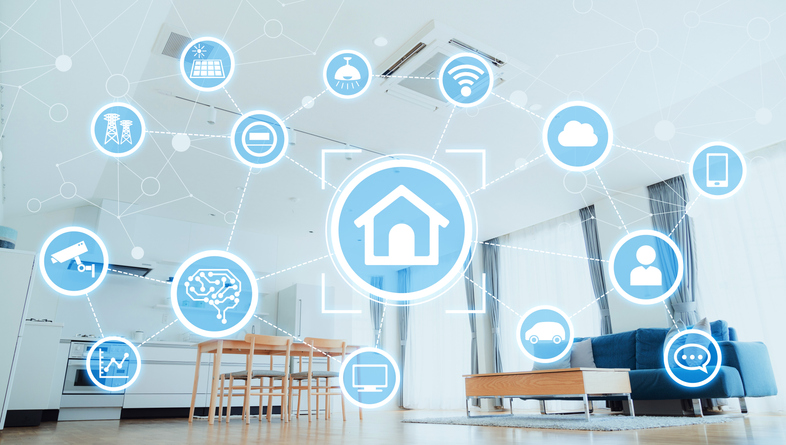
Home Energy Management Systems (HEMS):
HEMS targets residential buildings and homes. By monitoring and controlling energy consumption of appliances, heating and cooling systems, lighting, etc. It also provides homeowners with insights and tools to manage energy usage, reduce bills, and increase comfort. HEMS is suitable for the following industries and sectors:
- Residential Real Estate
- Utilities and Energy Providers
- Home Insurance Providers
Utility Energy Management Systems (UEMS):
UEMS is used by utility companies to manage and optimize energy distribution and demand response programs. With the use of monitoring grid performance, load balancing, and managing renewable energy integration, it can support billing, customer engagement, and regulatory compliance. UEMS is suitable for the following sectors and companies:
- Electricity Utilities
- Water Utilities
- Public Sector and Municipal Utilities
- Industrial and Commercial Facilities

Enterprise Energy Management Systems (EEMS):
EEMS is deployed across large enterprises or multiple sites. It can centralize energy data management, analysis, and reporting. Moreover, it also can coordinate energy efficiency initiatives, sustainability goals, and compliance across the organization. EEMS is suitable for the following companies:
- Retail Chains and Shopping Centers
- Hospitality Industry
- Data Centers and IT Facilities
- Financial Institutions and Banks
- Government and Public Sector Entities
Components of an Energy Management System
Data Acquisition System (DAS)
The DAS is responsible for collecting real-time energy data from various sources within the organization. This includes meters, sensors, and other monitoring devices that measure electricity, natural gas, water consumption, and environmental parameters like temperature and humidity.
Energy Monitoring Software
Energy monitoring software processes the data collected by the DAS. It provides visualization tools, dashboards, and reports to analyze energy consumption patterns, identify anomalies, and track performance metrics over time.
Energy Analytics and Reporting
EMS helps analyze historical and real-time data to identify trends, inefficiencies, and opportunities for energy savings. Reports generated by the EMS provide stakeholders with actionable insights and performance metrics to monitor progress towards energy efficiency goals.
Energy Control Strategies
EMS optimizes energy use based on real-time data and predefined parameters. These strategies may include demand response, load shifting, peak shaving, and HVAC optimization to reduce energy consumption during peak periods and lower operational costs.
Multi-site management and Remote Control
Remote monitoring systems can provide a global view, allowing corporations to centrally manage and compare energy usage across locations. This helps develop comprehensive energy management strategies and efficiency optimization plans across multi-locations.
Does My Company Need to Implement an Energy Management System?
Why do lots of companies need to implement an energy management system? Let’s take a look for what the corporation can get with the energy management system:
Cost Savings and Efficiency Improvement: EMS helps enterprises identify and analyze energy usage patterns, enabling them to find energy-saving opportunities, reduce energy consumption, and lower associated costs.
Cut Down Carbon Footprint and Environmental Impact: By reducing energy consumption and carbon emissions, EMS helps minimize a company's carbon footprint, improve environmental impact. In the meantime, companies also can reach the SDGs like SDG-11(Sustainable Cities and Communities) or SDG-12( Responsible Consumption and Production).
Compliance with Regulations and Standards: EMS helps businesses ensure compliance with these regulations,like the EU Emissions Trading System, the U.S. Environmental Protection Agency (EPA), and the Industrial Emissions Directive (IED), among others, maintaining operational standards and avoiding fines and legal issues.
Establish a positive image: EMS implementation showcases a company's CSR efforts. It reflects a proactive approach towards addressing environmental concerns and promoting sustainable development. Meanwhile, it is a great way to establish a positive image for the public.
How to Choose an Energy Management System?
Data collection and analysis
Data analytics enable EMS systems to monitor energy consumption patterns and trends in real-time. This capability allows quick identification of anomalies or inefficiencies, enabling companies to react promptly and take corrective actions to reduce energy waste and costs. Our EMS provides a variety of formats to query and generate online reports using machine data. It can produce a diverse variety of reports related to machine status, maintenance warnings, spare parts management, and equipment performance.
Adapting for different machines
EMS can analyze data from various machines to identify inefficiencies, such as overloading, idle running, or improper settings. By optimizing operational parameters through EMS insights, organizations can improve equipment efficiency and extend the lifespan of machines. PHM is designed for motor-driven rotating machines which are ISO-10816 applicable, there is no need for model customization with wireless sensor monitoring for fan, pump, cooling tower, compressor, and other factory facilities.
Agile application
Agile application allows the EMS to quickly adapt to new energy data, equipment statuses, and environmental changes. By using iterative and incremental development, the system can rapidly deploy new features or adjust existing ones to meet user needs and market changes. With the real-time monitoring can quickly relate applications through MQTT (Message Queuing Telemetry Transport), and connect data to adjust the system for better energy efficiency analysis.
User-Centric Design
In EMS, it translates to quickly responding to user feedback, improving user experience, and enhancing system usability and operational efficiency. It is also essential to interface with user expectations and real-world usage scenarios. Our Intelligent Energy Management solution offers a web-based, drag-and-drop interface, supplemented with adaptable templates. This ensures not only easy replication but also facilitates seamless user adoption and engagement.
ISO-Compliant Environmental Management
EMS can generate comprehensive reports on energy consumption, efficiency improvements, and environmental impact, facilitating regulatory compliance and demonstrating commitment to sustainability goals for the companies. Advantech’s iEMS solution can help corporations achieve ESG & Carbon neutrality, net Zero and CBAM(Carbon Border Adjustment Mechanism) Goals with Eco-Friendly design of EMS.

