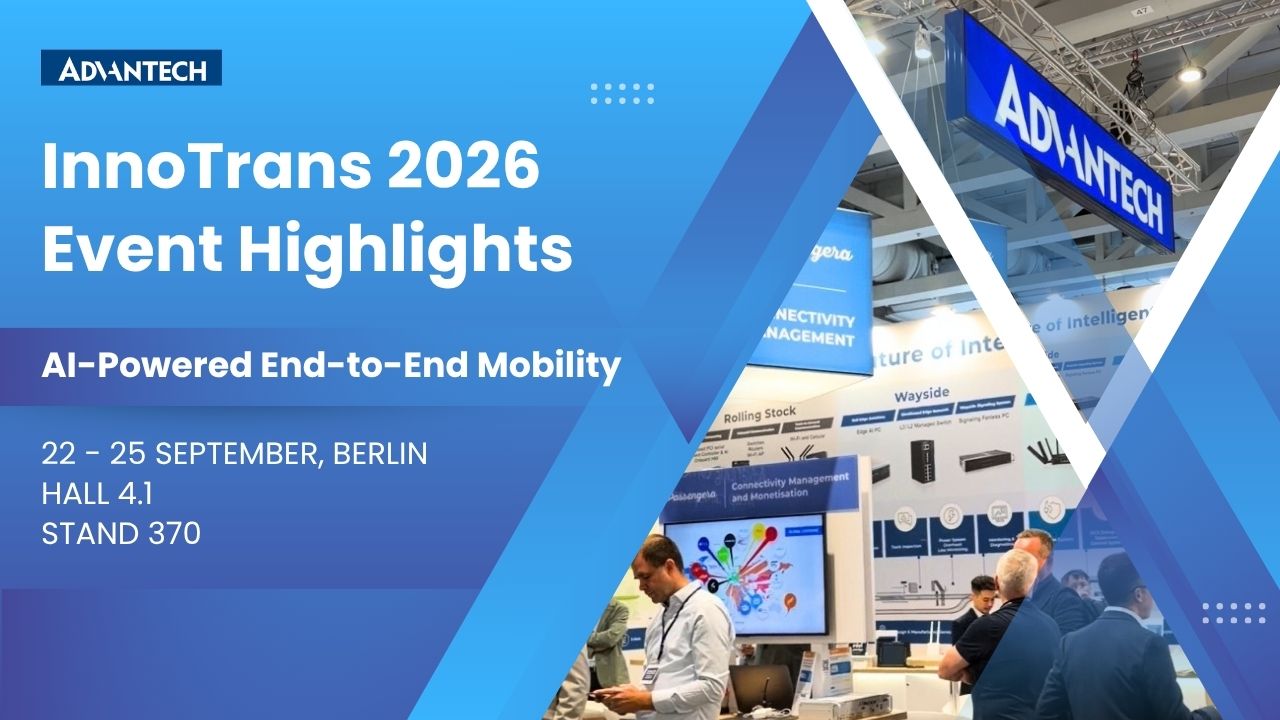
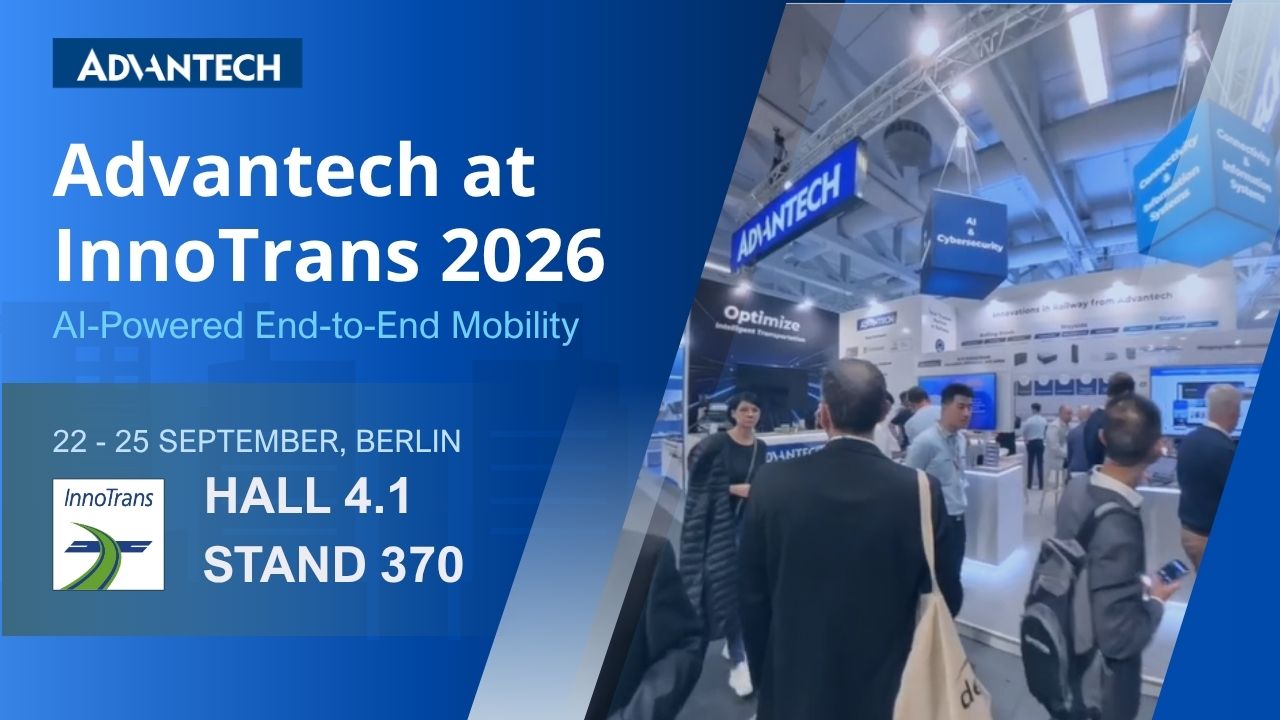
Key Takeaway
Advantech MIC-336S: 3U CPCI-S train‑ground solution for FRMCS. Intel Atom with TSN/PTP, -40‑70°C, 100k+ hrs MTBF. Modular cards cut MTTR to <30 min. EN50155/45545 compliant. Reliable, scalable rail communications.
Advantech Train-to-Ground Communications for Next-Gen FRMCS
For high-speed trains traveling at speeds of up to 350 km/h, safe and reliable operation depends on continuous real-time data exchange. In the intricate operational framework of urban rail transit and mainline railways, train-to-ground wireless communication systems act as the "nerve center." This invisible network is responsible for mission-critical tasks such as real-time position updates, emergency braking commands, and the synchronization of rail switch states and temporary speed limits.
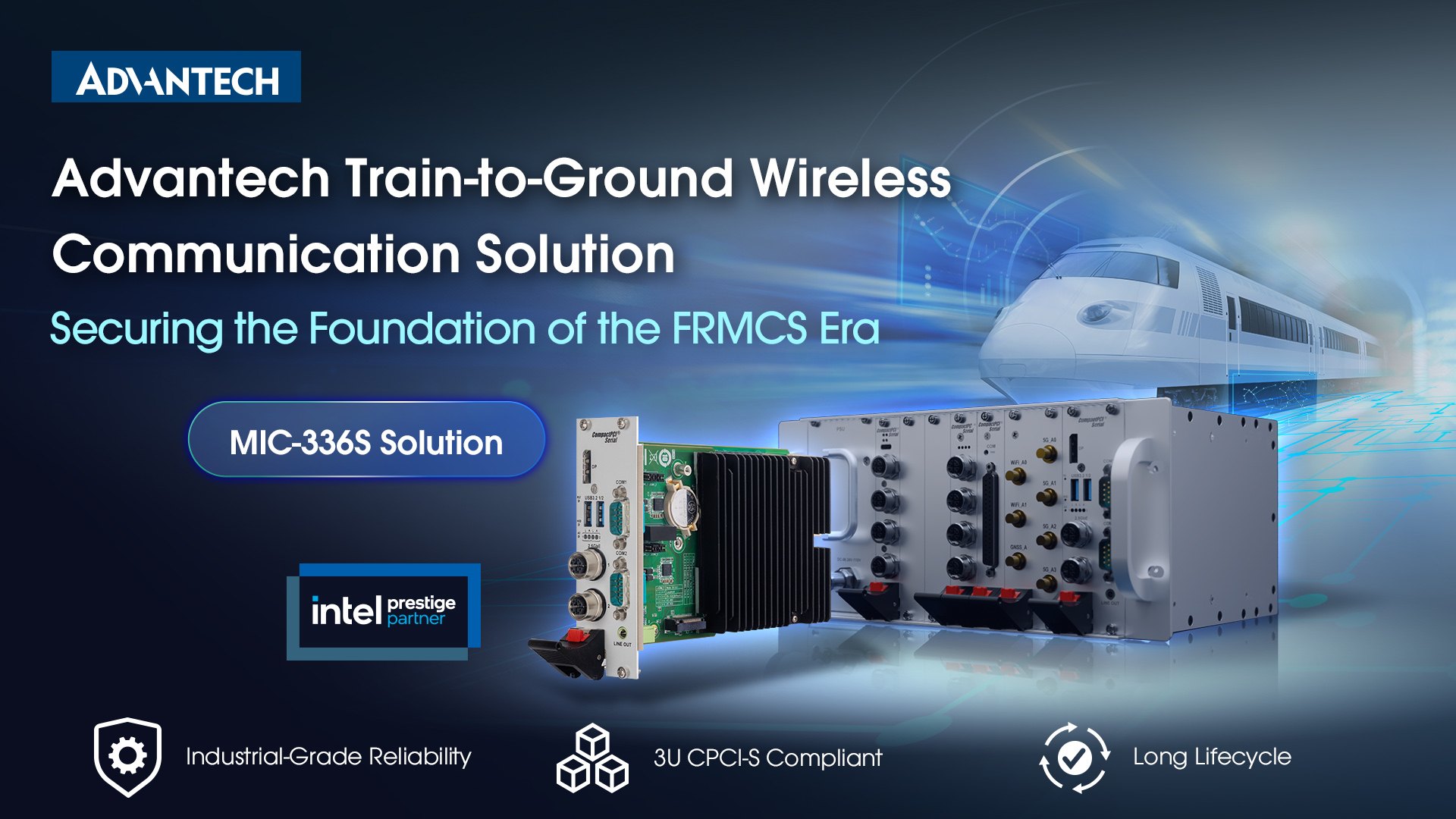
As the industry migrates from traditional Global System for Mobile Communications – Railway (GSM-R) to the faster, more intelligent Future Railway Mobile Communication System (FRMCS), the demands placed on the underlying computing platforms have reached unprecedented levels. Advantech’s latest MIC-336S train-to-ground wireless communication solution addresses these demands through a 3U CompactPCI Serial (CPCI-S) architecture designed for industrial-grade reliability.
Reliability: The Lifeline of Rail Communications
In the rail sector, train-to-ground communication is far more than a matter of signal coverage; it is a critical control link where safety is paramount. This system carries vital data related to train control, requiring millisecond-level data transmission between the vehicle and the ground. Unlike standard industrial communications, rail transit prioritizes high reliability over raw performance metrics due to the harsh environments encountered in the field.
Environmental Challenges and Engineering Standards
Onboard computing platforms must operate flawlessly under the following conditions:
● Vibration and Shock: Continuous exposure to vibration and shock during high-speed travel at speeds ranging from 80 to 350 km/h.
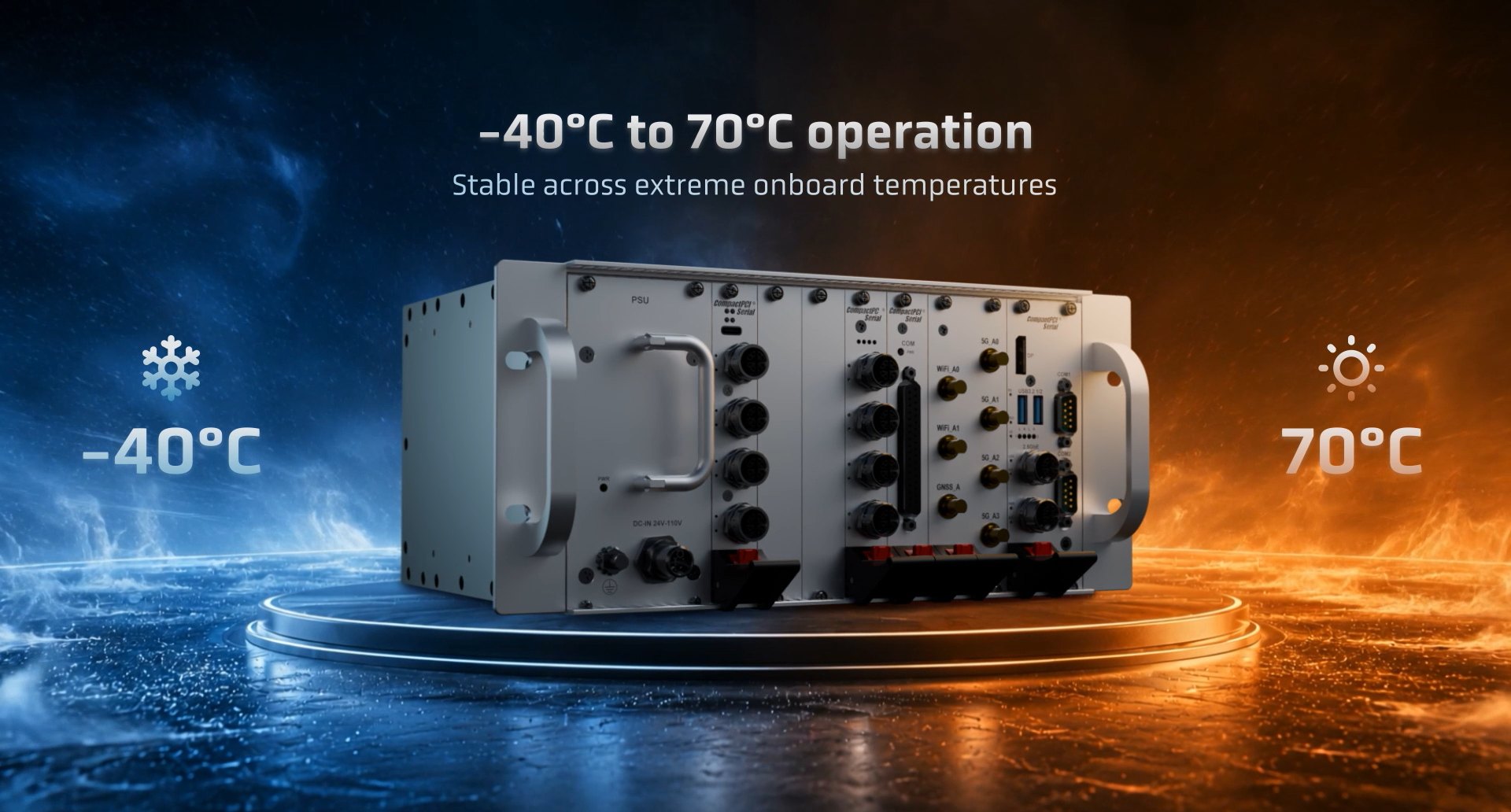
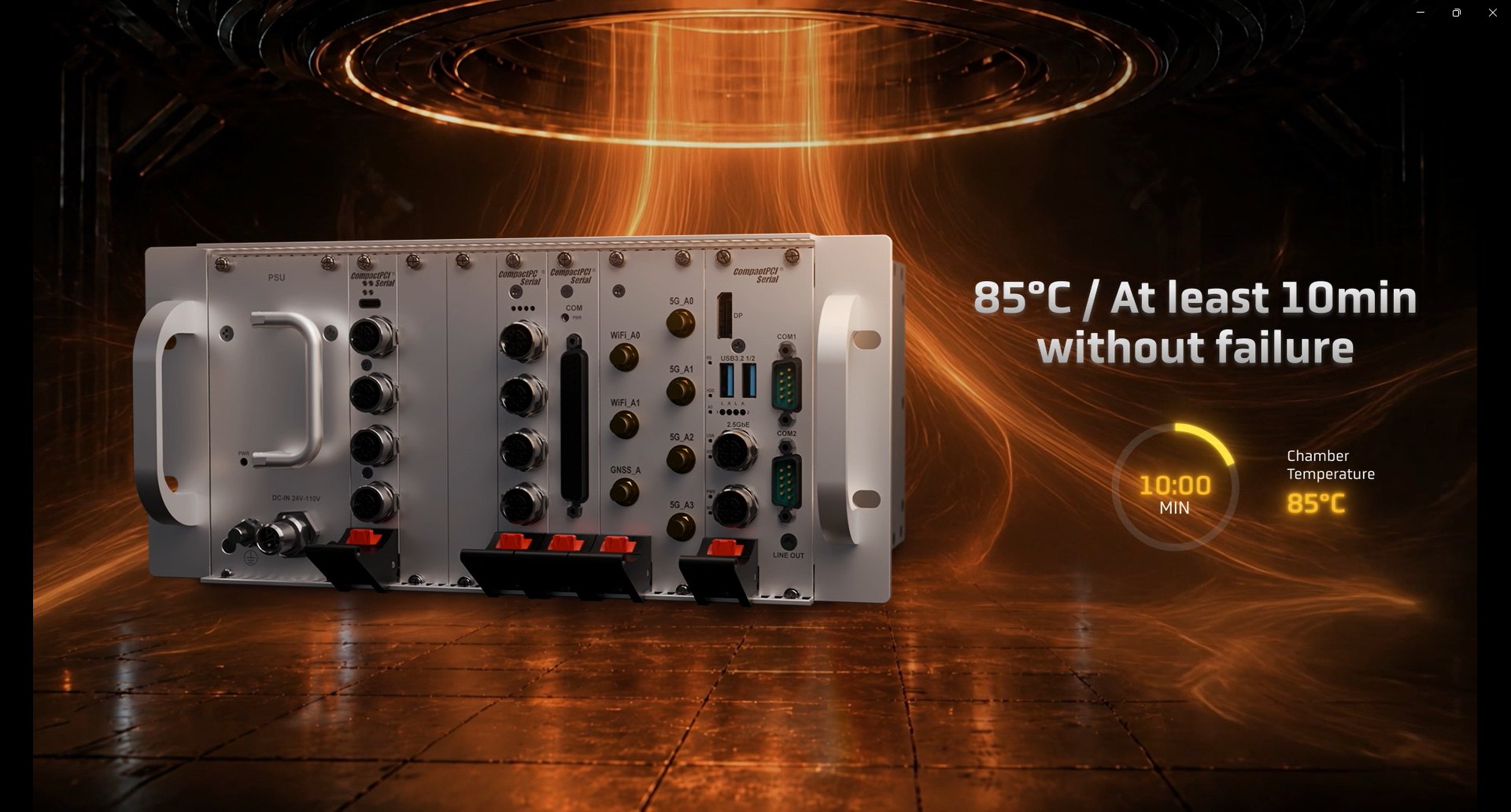
● Wide Temperature Range: Stable operation at temperatures from -40°C to 70°C, with short-term thermal tolerance up to 85°C.
● Humidity and Interference: Resistant to high-humidity environments up to 95% RH and to complex electromagnetic interference, including surges and ESD.
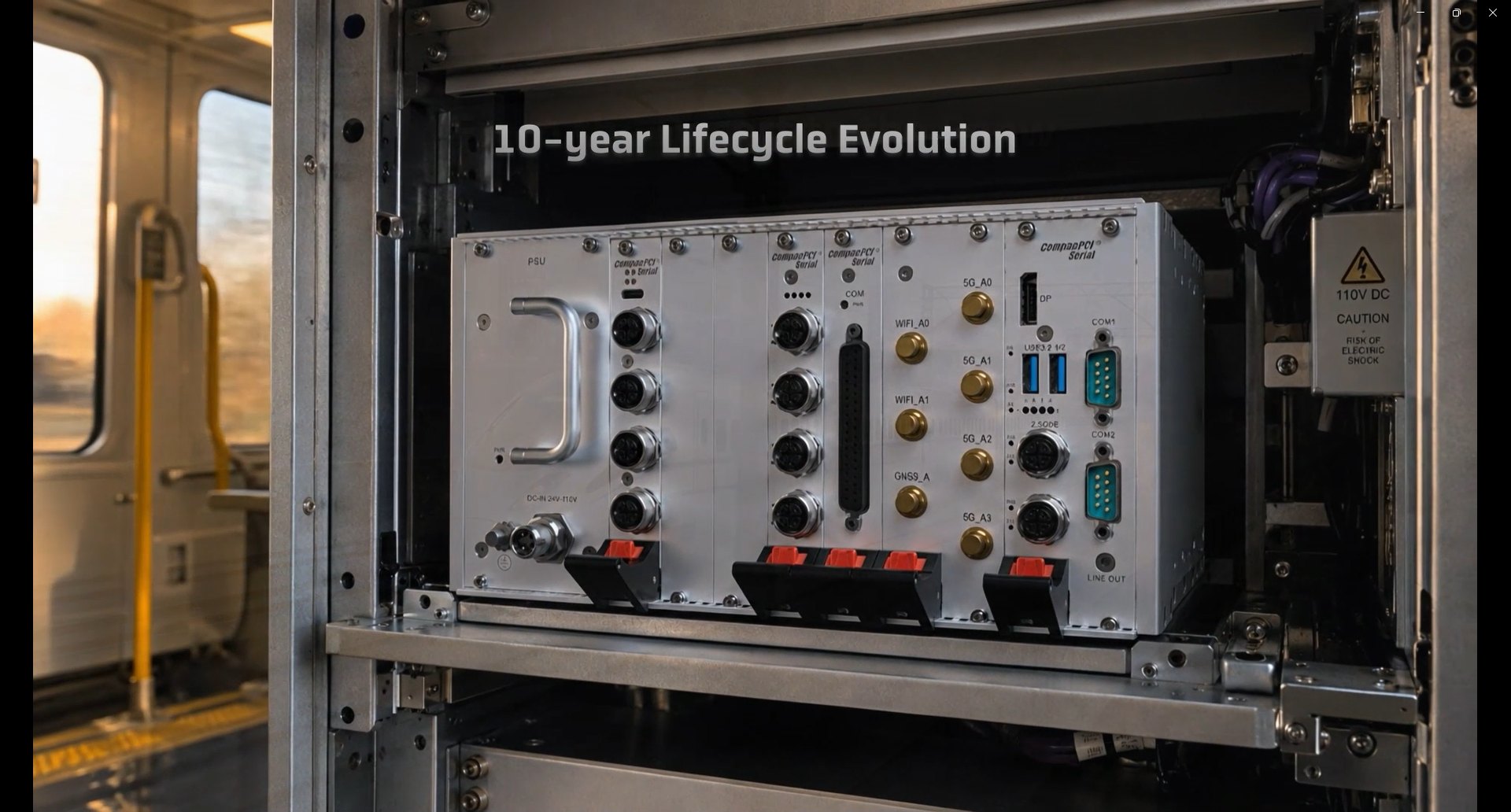
Failure of the computing platform can lead to loss of train position data, interrupted safety data, and emergency shutdowns, directly impacting passenger safety. To address these risks, Advantech’s MIC-336S system utilizes industrial-grade components, achieving a Mean Time Between Failures (MTBF) of over 100,000 hours—supporting continuous service for more than a decade.
Technical Evolution Toward FRMCS
The legacy GSM-R system, originally designed specifically for railways, is reaching its capacity limits due to restricted bandwidth and high maintenance costs. Global railway communication is now accelerating toward the FRMCS era, utilizing 4G/5G technologies based on 3GPP standards. Modern systems must now integrate an expanded range of functions, including:
● Real-time status monitoring of the status of traction, braking, and pantographs.
● Multimedia data transmission for Passenger Information Services (PIS).
● High-speed data backhaul for inspection systems.
The MIC-336 CPU card serves as the system's "brain," powered by wide-temperature Intel Atom® x-series 4-core or 8-core processors. By integrating Intel i226 Ethernet controller chips, the system supports Time-Sensitive Networking (TSN) and Precision Time Protocol (PTP). This hardware-level support ensures deterministic data transmission, maintaining response times within a critical 50ms window.
Modular Design and Operational Efficiency
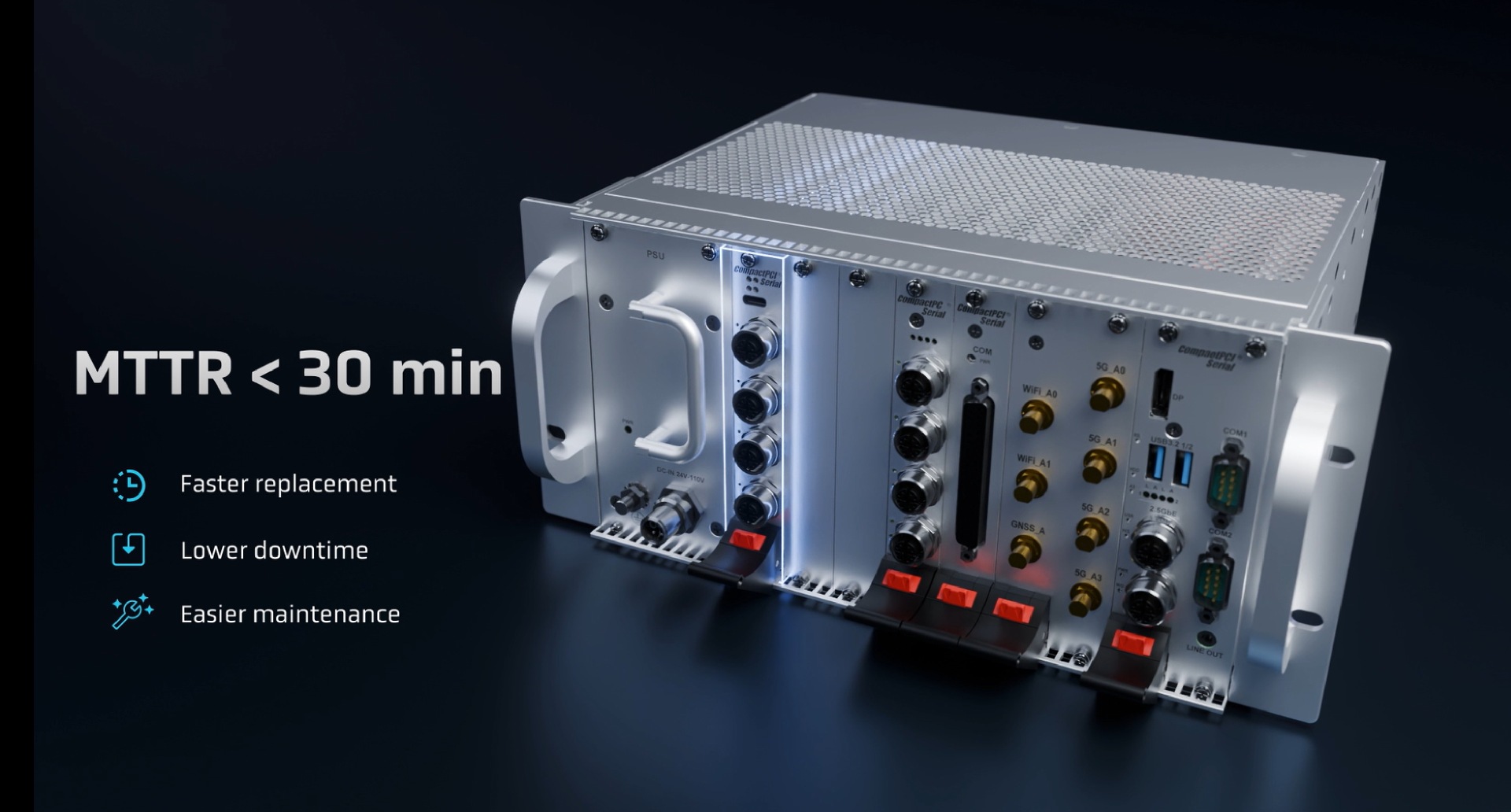
Traditional train-to-ground solutions often relied on closed architectures or custom Box PCs, which present significant challenges for maintenance and scalability. A single failed port in a closed system could necessitate the removal of the entire chassis, leading to costly operational disruptions.
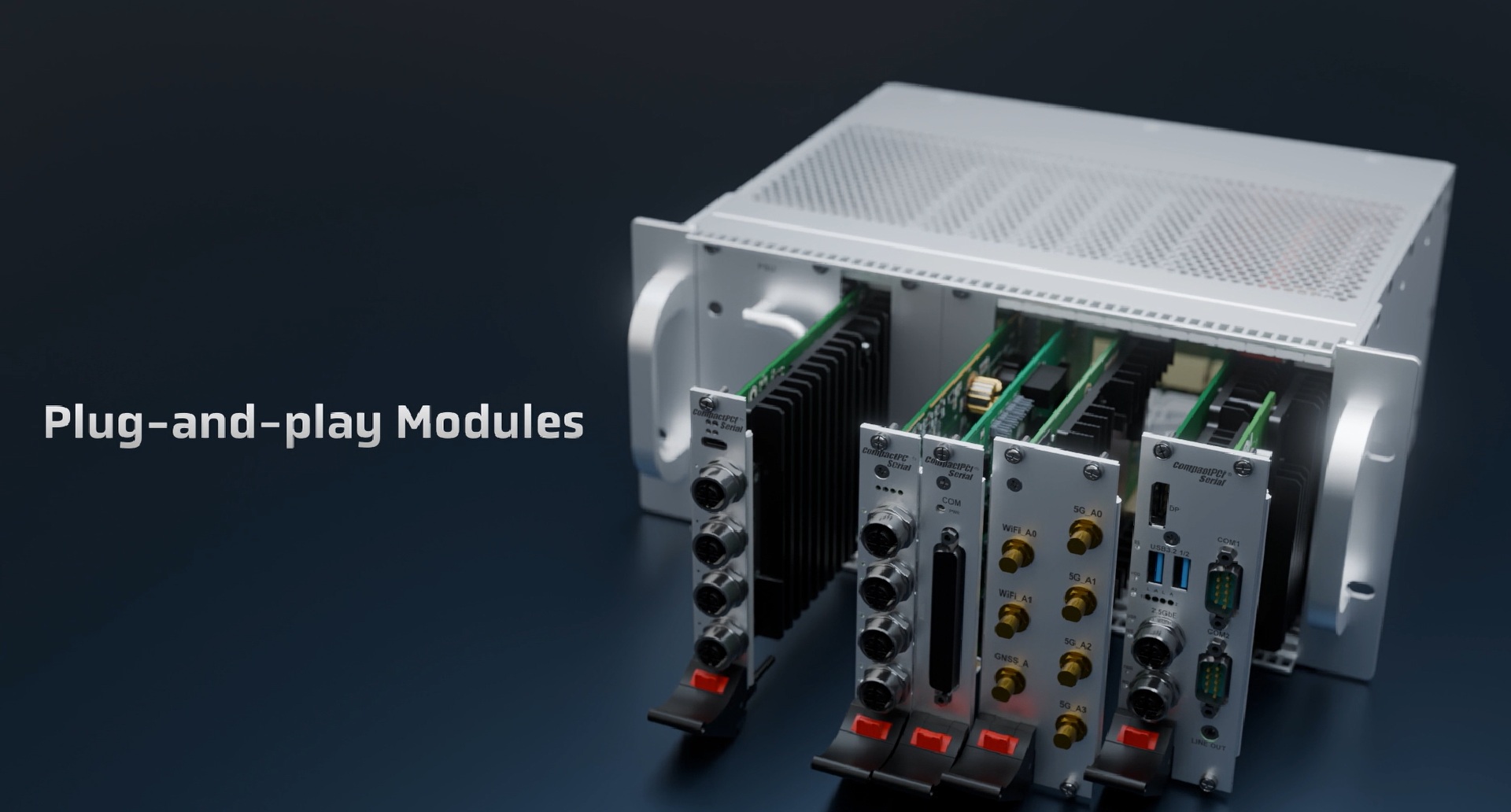
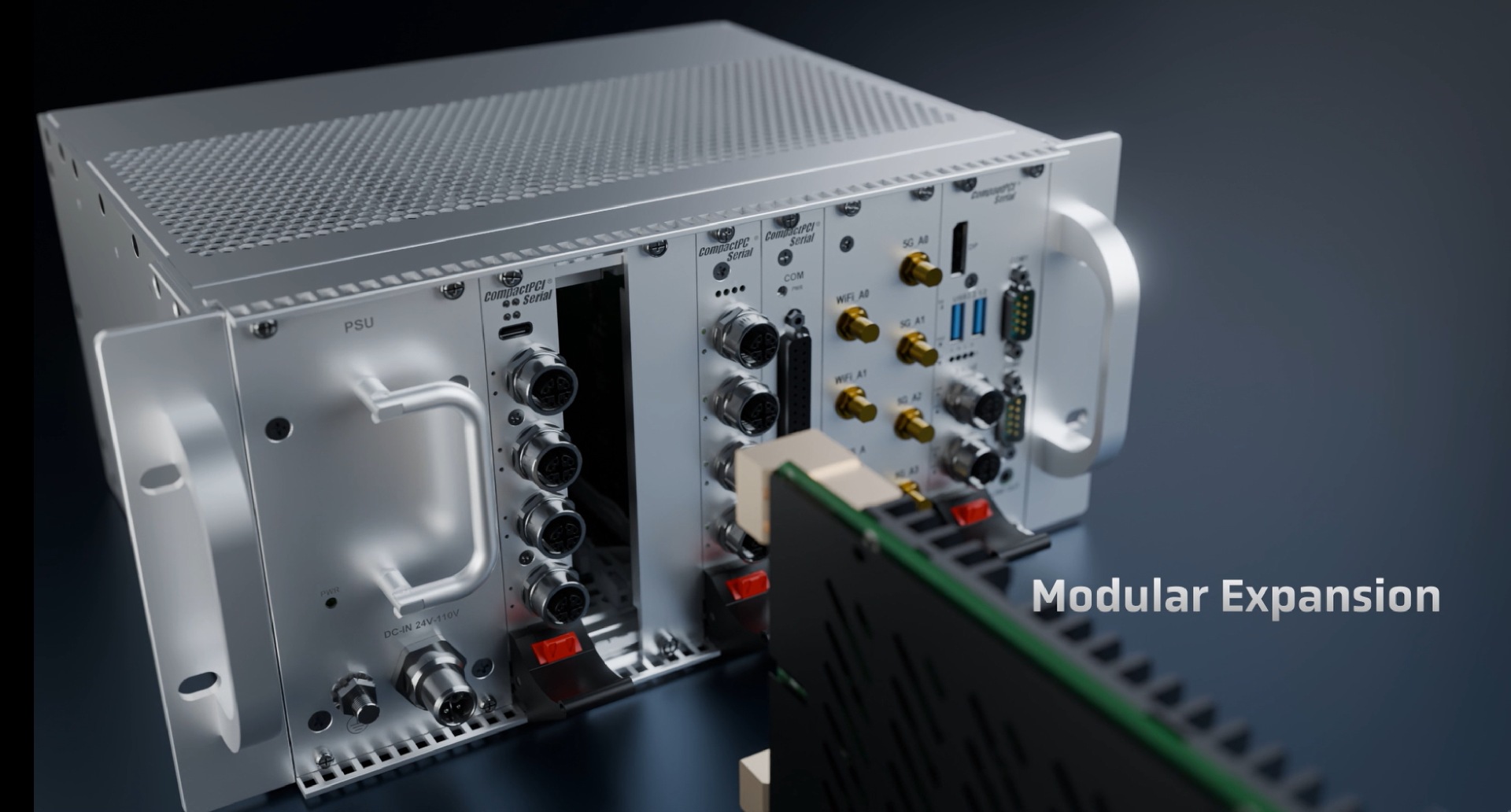
The CPCI-S architecture of the MIC-336S addresses these issues through a modular design approach:
● Simplified Maintenance: Systems are divided into independent functional cards connected via a standardized backplane.
● Reduced MTTR: Mean Time to Repair (MTTR) can be reduced to less than 30 minutes, as technicians can simply replace modules without complex rewiring.
● Cableless Reliability: The system eliminates internal cabling, utilizing board-to-board connectors to prevent connection failures caused by vibration or shock.
Advantech’s MIC-336S system is built on a long-term supply strategy:
● Component Longevity: Intel Atom® CPUs are supported for more than 10 years, while critical network chips offer a supply lifecycle of up to 15 years.
● Global Certification: The solution complies with international standards, including EN 50155 (onboard electronics), EN 50121-3-2 (EMC), and EN 45545 (fire safety).
By providing a standardized, high-reliability platform, this solution allows system integrators to shift their focus from hardware validation to higher-level application logic. As rail networks continue to evolve, these robust foundation platforms ensure that the critical communication backbone of modern transit remains secure, reliable, and scalable for decades to come.
This solution is already field-proven, having been successfully deployed in projects for industry-leading rail transit operators. Looking ahead, the potential for this system is significant, addressing both the modernization of legacy infrastructure and the rollout of next-generation FRMCS networks. Advantech offers more than just individual hardware components; it provides an evolving foundational platform designed to grow alongside industry needs. By leveraging the standardized CPCI-S architecture, system integrators can eliminate the burdens of complex hardware validation and instead focus their expertise on developing higher-level application logic. As the backbone of rail communication infrastructure continues to advance, Advantech remains committed to supporting safe and dependable rail operations through highly reliable computing and modular design innovation.
-50/MIC-336-A1D1-lift-left20250926100108.png)
-50/MIC-300A1-front20250610102307.png)
-50/MIC-3812-min-forPIS-20240419154044.png)
-50/新建项目-(1)20240611150050.png)
-50/MIC-3399-SKU1_Lift_Ori_4_M2-screw-hole-ver-for-PIS-min20240418100055.png)