Key Takeaway
AI is revolutionizing the retail industry, enhancing customer experiences and optimizing operations. Discover how key technologies are transforming retail.
Artificial intelligence (AI) is rapidly transforming a lot of industries, and retail is no exception.This article will explore how businesses combine AI and retail, outlining the key technologies applied and their use cases to help you uncover their potential within the industry.
What is AI in Retail?
AI in retail involves using the advanced algorithms and data processing capabilities of artificial intelligence to meet business needs and consumer demands.
By incorporating AI technology into retail, businesses get to revolutionize their operation through streamlined internal processes, automated customer service, and so much more. Not only can this boost productivity, but it can also enhance customer experience, establishing a better brand image.
As such, the global value of AI in the retail market has reached $7.14 billion in 2023, according to Fortune Business Insights, and it is expected to grow at an annual rate of 31.8%, reaching $85.07 billion by 2032, reflecting the increasingly widespread adoption and growing potential of artificial intelligence in the retail industry.
Key Technologies Applied in AI for Retail
Various interconnected technologies that work together to achieve AI in retail. Here's a brief overview of some key technologies and AI models commonly used:
- Machine Learning (ML): Machine learning is the heart of most AI software. Its algorithms allow systems to learn from data, identify patterns, and make predictions without explicit programming. These algorithms are trained on vast datasets, improving their accuracy over time as they encounter more data.
- Big Data and Predictive Analytics: Big data technologies manage, store, and process data from diverse sources to feed AI algorithms. Consequently, predictive analytics uses statistical models and machine learning to extract meaningful insights and forecast future trends.
- Deep Learning: This is a more advanced subset of ML that utilizes multi-layered artificial neural networks to analyze complex data. It usually handles tasks like image and speech recognition.
- Natural Language Processing (NLP): NLP empowers AI systems to understand, interpret, and generate human language. It is essential for applications that involve text and speech, especially in customer support.
- Computer Vision: Computer vision empowers AI systems to "see" and interpret visual information from images and videos. This involves techniques like object detection, image classification, and facial recognition.
- Internet of Things (IoT): The IoT refers to an interconnected device network embedded with sensors, software, and other technologies. This technology can collect and exchange data in real-time within the system to boost efficiency.
- Robotic Process Automation (RPA): RPA uses software bots to automate repetitive, rule-based tasks across retail workflows. It is commonly used to streamline operations like inventory updates, order processing, and returns management.
What are the Use Cases of AI in Retail
So how exactly is AI used in retail? Common applications range from customer analysis, shopping personalization, automated service, to operations management, and even in-store security.
Market Analysis

The data produced by daily transactions, including customer purchase history, demographics, retail in-store footfall and heatmap, can offer a goldmine of insights, but analyzing them manually can be difficult. By leveraging AI, retailers can tackle this challenge head-on and go through a vast amount of data in the shortest period of time.
To achieve this efficiency, retailers have to invest in a server that is powerful enough to perform complex calculations, such as Advantech’s UBX-510SL mini server. These systems establish stable and efficient connections to process large volumes of real-time data while providing security to prevent data loss.
Once the database is set up, AI can segment the audience effectively, grouping customers with similar characteristics for targeted marketing campaigns. It can also identify buying habits, revealing what products are frequently bought together or how demographics influence buying decisions.
The capabilities of AI don’t just stop at customer data, it can even track a competitor’s pricing, marketing tactics, and product offerings. In turn, this knowledge empowers retailers to tailor their strategies accordingly, allowing them to stay ahead of the curve.
Shopping Personalization
AI can be used to create a more engaging experience for each customer. For instance, just by analyzing a person’s purchase history and browsing behavior, AI can curate a personalized product suggestion list, saving the customers’ hassle and frustration of browsing items one-by-one.
Additionally, AI goes beyond online experiences. In-store, AI-powered smart fitting rooms use cameras to recommend clothes that flatter a customer's figure, while smart mirrors allow virtual try-on, eliminating the need to physically change outfits. This gives the shopping experience a personalized touch and saves time as well!
Automated Customer Service with Virtual Assistants
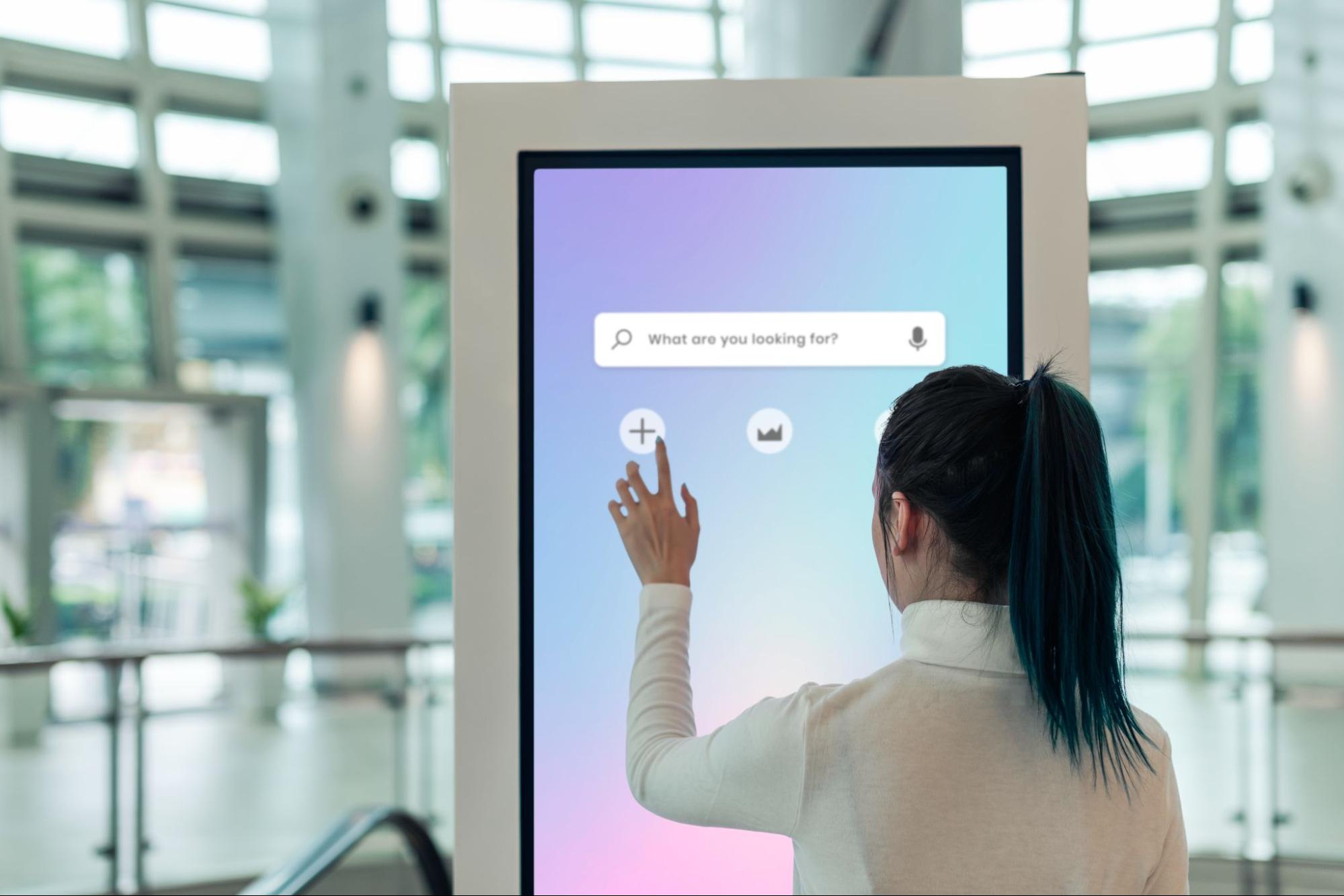
According to Statista, up to 48% of retailers worldwide use AI for customer service. This is because AI can streamline customer support by providing 24/7 assistance through various channels. Some of the most common forms of this are the chatbots or virtual assistants you usually see on e-commerce stores and mobile apps. They offer immediate assistance by answering frequently asked questions, troubleshooting issues, and even directing customers to the appropriate resources.
Retailers also utilize voice search powered by AI and natural language processing in online applications, allowing customers to ask questions and receive answers through voice commands. There are also Vision AI systems that use cameras to identify products and provide relevant support information. For instance, by showing a damaged product to the camera, a customer may receive instant information on warranty options or replacements.
Automated customer service can even be extended to in-store applications. Interactive AI-powered kiosks that are equipped with touch screens and voice recognition can answer questions, recommend products, and even help with navigation. This doesn’t just create a smoother shopping experience, it also frees up human representatives for more complex tasks around the store.
Demand Forecast and Inventory Management
Traditionally, managing inventory relied on past sales data and intuition. On the other hand, AI brings a more scientific approach, as it analyzes historical sales data, seasonal trends, and even social media buzz to predict future demand for specific products with greater accuracy. It can also factor in external influences that might impact demand, such as weather patterns or upcoming holidays. Consequently, this allows retailers to have the right products in stock at the right time.
Moreover, equipment such as low-latency server systems, touchscreen computers, and digital signage solutions can be installed in;modern retail warehouses to further streamline operations by facilitating real-time information sharing and coordination among staff.
Dynamic Pricing
Instead of relying on static, fixed prices, AI enables retailers to implement dynamic pricing strategies by analyzing factors like customer demand, competitor pricing, inventory levels, and buying behavior in real time. It can even evaluate external influences like seasonal trends or local events. The machine learning models can then automatically adjust product prices at any given moment to optimize profitability without sacrificing customer satisfaction.
For example, these AI mechanisms may let prices drop during low-demand periods to boost sales or increase them during peak times to maximize margins. This agile approach allows retailers to stay competitive while tailoring prices to specific market conditions or individual shopping patterns.
In-Store Security
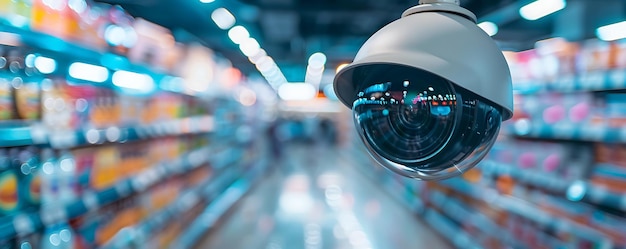
Retailers face a constant challenge in protecting their inventory and assets. A survey conducted by National Public Radio revealed that retailers have faced an estimated loss of $112 billion due to theft. AI-powered video analytics offer a powerful solution by enabling intelligent video surveillance, which goes beyond simple recording, as it analyzes video feeds in real-time to detect suspicious activity such as shoplifting or vandalism.
For example, retailers may use AI to identify patterns of behavior that might indicate potential theft, such as someone lingering near a high-value product or concealing merchandise. Upon detecting such activity, the system will then trigger alerts, notifying security personnel for intervention.
What’s more, AI can also be used to deter fraud at the checkout line, as it can analyze video footage and recognize suspicious actions like bill switching or coupon misuse, helping cashiers flag potential fraud attempts to prevent financial losses.
Online Fraud Detection and Prevention
AI-powered systems can identify suspicious patterns and anomalies that might indicate fraudulent online activity by analyzing vast amounts of transaction data in real time. For instance, it can flag unusual purchase locations, multiple billing addresses associated with a single account, rapid-fire purchases, or mismatches between billing and shipping information. This helps retailers detect issues before they lead to financial losses.
Furthermore, AI can enhance cybersecurity for customers as well. By monitoring online transactions and customer accounts for potential data breaches, the system can strengthen the overall security of e-commerce platforms. With this, retailers can foster customer trust and improve their online shopping experience.
Supply Chain and Logistics Management
Efficient supply chains and logistics are crucial for retail success. AI algorithms can optimize transportation routes, taking into account various factors such as traffic patterns, weather conditions, and delivery schedules. This is particularly useful for retailers who want to reduce transportation costs and shorten delivery times.
Additionally, AI can track shipments in real-time, providing greater visibility into the supply chain so retailers can identify and address potential issues to maintain optimal inventory levels and improve overall supply chain efficiency.
What are the Benefits of Using AI in Retail?
As you can see, the application of AI in shopping and retail translates into significant benefits for both retailers and customers, which includes:
Data-Driven Decisions for Enhanced Profitability
By leveraging AI for market analysis, retailers gain a deeper understanding of their customers, competitors, and the broader market. This empowers them to make data-driven decisions about everything, from product selection and inventory management, to marketing campaigns and pricing strategies. Ultimately, these well-informed decisions will result in greater efficiency, reduced costs, and increased profitability.
Enhanced Customers Engagement for Higher Satisfaction
The use of AI-powered product suggestions, smart fitting rooms, virtual mirrors, and interactive kiosks makes the shopping experience unique for each customer, creating a sense of engagement that traditional retail stores often lack. With this personalized touch, customers will be even more satisfied, allowing retailers to establish a better brand image and boost sales.
Frictionless Shopping Journey
AI empowers retailers to deliver a truly frictionless shopping experience by automating routine interactions and removing common pain points throughout the customer journey. From smart self-checkout stations to cashier-free stores, these technologies minimize wait times and allow shoppers to complete purchases with minimal effort.
Integrated computer vision systems can even recognize products without barcodes, while digital signage and in-store kiosks help customers navigate, compare items, and find product information quickly. Combined, these AI-driven devices reduce interruptions and delays to create a smooth, intuitive experience, keeping shoppers satisfied and more likely to return.
Seamless Multi-channel Experience
Nowadays, customers expect a unified experience regardless of the channels, whether they shop online, in-store, or through a mobile app. AI can bridge the gap between these channels, by synchronizing inventory levels across online and physical stores. This improves fulfillment efficiency while ensuring that customers have access to the products they want, no matter what channel they choose to shop from.
Optimized Logistics and Supply Chain
Using AI to predict can prevent stockouts that frustrate customers and also minimizes the need to store excess inventory that ties up capital. It can even prevent spoilage and loss that may be caused by overstocking.
Moreover, by optimizing delivery routes, AI can help retailers create an efficient order fulfillment process, allowing them to enhance customer satisfaction and streamline operations.
Prevent Financial Loss
With AI-powered video analytics, retailers can create a safer shopping environment for both customers and employees. This technology deters criminal activity, such as theft, vandalism, and fraud, reducing inventory shrinkage and associated financial losses. Even if such events do occur, AI systems can provide evidence with high accuracy for investigations.
What are the Considerations and Challenges of Using AI in Retail?
While the potential benefits of AI in retail are vast, it's crucial to address the potential challenges, as AI algorithms are only as good as the data they are trained with. If the data is inaccurate or biased, these flaws will be reflected in the AI system. Thus, retailers must train their AI algorithms with factual and diverse datasets, to avoid unideal outcomes.
Privacy and data transparency are also growing concerns, especially on digital platforms where vast amounts of customer information are collected. Retailers must clearly communicate how AI is used and what data is being collected. Retailers should also build consent mechanisms into websites and apps, such as cookie banners or opt-in prompts that allow users to choose whether and how their data is used. Giving consumers control over their personal information not only builds trust but also aligns with data protection regulations like GDPR and CCPA.
Another key ethical issue is the potential for job displacement. As AI automates tasks like checkout, inventory tracking, or customer service, some roles may be reduced or eliminated. Retailers must take proactive steps to minimize this impact by offering upskilling and reskilling opportunities to affected employees. This ensures a fairer transition and demonstrates a commitment to responsible AI adoption.
Best Practices for Using AI in Retail
Successfully implementing AI in retail requires more than just deploying new technology; it calls for a clear strategy, ongoing management, and alignment with business goals.
Here are the best practices to guide retailers toward effective and responsible AI adoption:
Define a Clear AI Strategy
Before rolling out AI tools, retailers should identify specific business objectives, such as improving customer personalization, streamlining inventory, or enhancing supply chain operations.
With this in mind, starting with smaller pilot projects allows businesses to test the effectiveness of AI solutions in a controlled environment, gather valuable insights, and refine their approach before scaling up across the organization.
Take a Customer-Centric Approach
Focus on AI solutions that directly improve the customer journey, such as personalized promotions, AI-powered search, and automated checkout for fast, accurate service. Regularly collect customer feedback to fine-tune these digital touchpoints for better engagement.
Also, bear in mind that some customers, especially those less tech-savvy or with complex needs, may still prefer speaking with staff, so businesses should always offer accessible human support to ensure inclusivity and customer satisfaction.
Ensure High-Quality and Accessible Data
As mentioned, AI performance depends heavily on the quality of its training data. Retailers should invest in data cleansing, integration, and governance to eliminate silos and maintain accuracy. It is also important to cleanse and validate the existing dataset regularly to ensure its consistency.
What’s more, selecting a data management system capable of scaling to handle fluctuating data volumes, especially during peak retail seasons, is essential for continuous AI performance.
Prioritize Ethical AI and Compliance
Retailers must adhere to data privacy regulations like GDPR and CCPA, ensuring robust data security measures are in place to safeguard sensitive customer information. Beyond compliance, fostering transparency about AI's role in decision-making and offering customers control over their data usage builds trust and strengthens brand loyalty.
Choose the Right Tools and Providers
Not all AI tools are built the same. Retailers should evaluate whether a general-purpose or industry-specific solution is more suitable, and work with experienced technology partners who understand retail needs. After all, customizing and scaling solutions is much easier with the right support.
Foster Continuous Improvement
Implementing AI represents a significant change, and managing this transition effectively is key. Retailers should engage employees early in the process, clearly communicating the benefits of AI and providing comprehensive training to help them adapt to new tools and workflows. Encouraging cross-functional collaboration can lead to innovative new AI use cases.
Furthermore, AI models are not static. Hence, continuous monitoring, evaluation, and regular updates are necessary to ensure they remain accurate, relevant, and aligned with evolving business needs and customer behaviors.
Examples of AI in Retail by Leading Brands
With these benefits and challenges in mind, we will now showcase several use cases of AI in retail and see how leading brands put these concepts into action.
Amazon: Automated Store & Voice-Activated Shopping Assistant
Amazon Go is an innovative chain of cashless grocery stores that leverages a variety of AI technologies, including computer vision and sensor fusion. Shoppers simply have to walk in, grab the items they were looking for, and leave. The cameras and sensors will track the items taken and automatically charge the customers once they exit the store, eliminating the need to line up and pay.
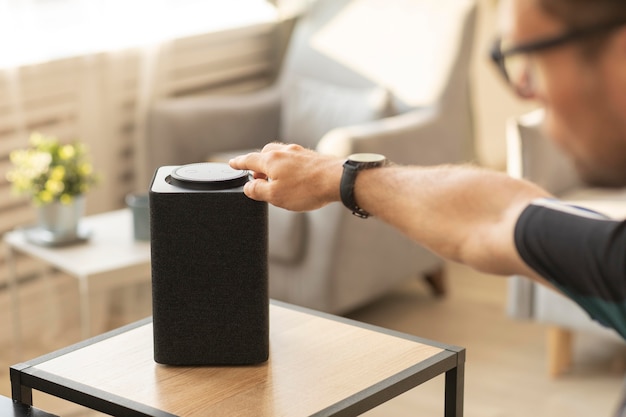
Amazon's voice assistant, Alexa, is another powerful example. Alexa integrates AI to understand spoken commands and answer questions, allowing customers to search for products, add items to carts, and even place orders directly through voice interaction. This hands-free approach to shopping reflects the convenience that AI can bring to the retail experience.
Timberland: Virtual Try-On Technology
In 2014, Timberland partnered with Lemon&Orange to create a virtual fitting room experience for customers at the Mokotow Gallery in Warsaw, Poland. They leverage AI technology that tracks body movements and gestures in real-time, letting customers try on various items from Timberland’s newest collection, including jackets, sweaters, trousers, and shoes. This allowed customers to conveniently experiment with different outfit combinations, creating an engaging and memorable experience.
Home Depot: Self-Service Checkout Systems
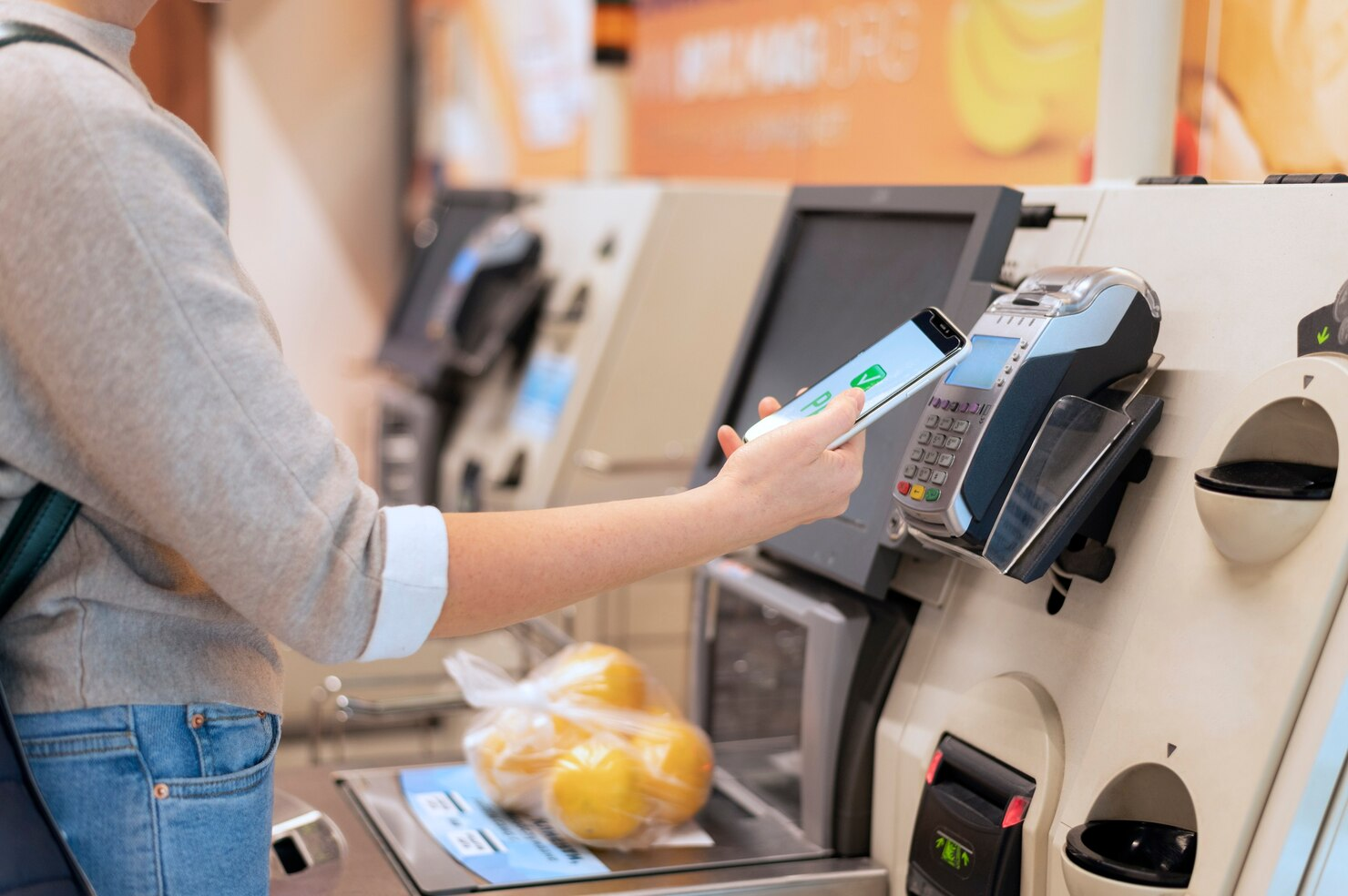
Home Depot, the home improvement giant, offers self-checkout options powered by AI. These systems utilize AI for item recognition and weight verification. Customers merely have to place their items on the kiosk, whether it's a small box of nails or a basket full of heavy tools, then let AI do the rest. The system will instantly identify the product and ensure accurate billing, eliminating the need for manual scanning by cashiers. This optimizes the checkout process and reduces wait times for customers, creating a win-win situation.
Leofoo Village: Interactive Meal Ordering Kiosks
Leofoo Village Theme Park in Taiwan implements AI-powered self-service kiosks to address the challenge of long mealtime queues, especially during peak seasons. These kiosks allow visitors to order and pay for their meals easily. They also offer smart product recommendation features and interactive mini-games that reward customers with discount coupons. This initiative improved the customer experience and optimized staff allocation, allowing employees to focus on food preparation and other essential tasks.
Noke: Occupancy Analysis for Customer Experience and Security
NOKE, a new shopping mall in Taiwan, strategically places people counting cameras at key entrances and exits to gather valuable data on customer flow and occupancy. This data is then displayed on digital signage at the mall's entrance, providing real-time information on occupancy levels and environmental conditions like temperature and humidity. Not only does this enhance customer comfort by providing transparency, but it also aids in security management by monitoring crowd density and identifying potential safety concerns.
Truedan: Smart Operational Audit System
To maintain high service standards within Taiwan’s competitive boba shop industry, Truedan replaced time-consuming paper-based audits with Advantech's store inspection solution which features a smart algorithm and digital platform accessible via smartphones or computers. This has enabled them to improve store inspection efficiency by 50-100% while minimizing human error and reducing labor costs. The paperless system also helps to save thousands of sheets of paper annually, contributing to Truedan's sustainability goals.
The Future of AI in Retail
The potential of AI in retail is only beginning to be explored. New technologies and trends will continue to emerge and shape the future of retail. One of the things we can expect is the soon-to-be heightened level of personalization. Leading companies like Advantech have created hyper-personalized solutions, such as ObjectVA, to identify the products held by customers. Based on this, the system can trigger targeted advertising with interactive signage, promoting related products or offering personalized discounts to engage the customers even further.
Retailers may even choose to take this a step further by incorporating the use of face recognition technologies like FaceMatch. Imagine a customer walking into your store to be greeted by name or receiving special loyalty program benefits made just for them. They can get whatever they want with minimal effort. Plus, this facial recognition AI can even be combined with the staff’s access systems in stockrooms or other areas to enhance in-store security.
Furthermore, the prevalence of AI monitoring systems, such as Advantech’s PeopleCount can help retailers track the number of people entering the store, dwell times in different areas, and also abnormal crowd activity. With this data businesses can optimize staffing levels, improve store layout, and ensure a smooth shopping experience for their customers.
Advantech - The Top AI Solution for Retail
AI in the retail industry is no longer a vague concept of the future, but a vivid innovation that exists in the present. By leveraging AI for data-driven marketing campaigns, enhanced customer experience, optimized logistics, and strengthened security, retailers can gain a competitive edge in the fast-paced industry and create a sustainable business model that can also satisfy the customers.
With Advantech’s AI powered solutions, you can unlock the full potential of this technology and transform your business. We offer a comprehensive selection of products specifically designed to empower retailers, including All-in-One Touch Kiosks, powerful and compact edge computers and servers, and so much more. Explore more sophisticated AI solutions at Advantech today!